
The Pura Vida Lifestyle: How Costa Ricans Really Live
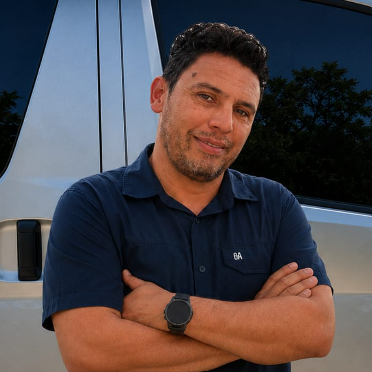

Before the first notification arrives, before the agenda takes shape, a Costa Rican morning sounds like this: howler monkeys calling somewhere above the tree line, coffee dripping through a cloth chorreador, birds doing the only talking that matters. There's no rush built into that hour. The day opens slowly, on purpose, and that quietness tells you more about the pura vida lifestyle than any phrase on a refrigerator magnet ever could.
Pura vida gets printed on keychains and painted on hostel walls, but the people who actually live by it rarely stop to explain it. It's a felt rhythm, not a bumper sticker. It shapes how a Tico greets a stranger, how they respond to inconvenience, how they build their afternoons and protect their evenings. After more than two decades guiding travelers through Costa Rica and building After Dark Rainforest Experiences around this exact philosophy, I've watched it quietly rearrange how guests think about what a well-lived day actually looks like.
This article breaks down what the pura vida lifestyle genuinely looks like, where it came from, what researchers associate with Costa Rica's remarkable wellbeing rankings, and how you can carry these habits home long after your flight lands.
What "pura vida" actually means, and where it came from
The literal translation is "pure life," and that gets you about ten percent of the way there. In practice, the phrase functions as a greeting, a farewell, a thank-you, a "no worries," and a quiet declaration that life is fundamentally good, all at once, all in two words. No other language packs that much meaning into a single expression without losing something in the compression.
The origin story is grounding and surprisingly specific. In 1956, a Mexican film titled Pura Vida featured a cheerfully optimistic main character whose catchphrase stuck. Costa Ricans adopted it, and over the following decades it didn't just spread, it transformed.
.By the 1970s, sociolinguists described what happened as "lexical diffusion": the phrase moved outward through social networks until it became embedded in the national identity. What began as slang among younger subcultures became a mainstream way of announcing something distinctly Costa Rican.
How a single phrase became a national philosophy
The timing mattered enormously. Costa Rica was building a reputation for democracy, peace, and relative stability at a moment when much of Central America was experiencing conflict. The phrase fit that narrative perfectly. Saying "pura vida" wasn't just optimism; it was an outward sign of belonging, a verbal emblem of national difference. Researchers describe it as social identity construction through language: saying it helped create the Costa Rican sense of self as much as it reflected it.
What makes it remarkable now isn't the phrase itself but how thoroughly it filters into decision-making, how Ticos respond to inconvenience, how they structure their afternoons, how they treat someone they've just met. Those values, reinforced daily over a lifetime, shape a genuinely different relationship with time and people. The phrase became shorthand for all of that, but the substance lives in the living.
The way Costa Ricans actually use it day-to-day
"¿Cómo estás?", "Pura vida." That's "hello," "I'm well," and "everything's good" in a single breath. Use it as a goodbye, a thank-you, a "no problem" when someone apologizes for being late, or a genuine exclamation when something delights you. "¡Pura vida, mae!" is "hey, man!" with warmth baked in. The flexibility of the phrase is the point: optimism is the default setting, not a performance you switch on for guests.
The pura vida lifestyle in practice
What a pura vida morning looks like
In rural and small-town Costa Rica, the alarm goes off around 5:30 a.m., not because anyone is forcing productivity, but because the day is already happening outside the window. The morning light arrives with purpose, and the culture has shaped itself around it. Breakfast is gallo pinto, the national dish of rice and beans, with eggs, fresh fruit, and coffee grown somewhere within view of where you're sitting. In many households, the first hour of the day belongs to the family table, not to a task list.
The point isn't that Costa Ricans are slow; it's that their mornings are structured around presence rather than output. Conversations at that table aren't stolen between notifications, they're the main event, and the rest of the day grows out of that foundation.
Slower by design, not by accident
Going to bed earlier and waking with the sun isn't an accident of geography; it's an intentional orientation toward the natural rhythm of the day. The first hour set at calm rather than urgency creates a psychological tone that holds through the afternoon. Environmental psychology research consistently finds that how a day begins influences stress recovery and cognitive tone throughout the hours that follow, something Costa Ricans figured out through culture long before the studies arrived.
Simple food and the absence of rush
The food culture here is built around abundance without excess. Fresh fruit that grew nearby, beans cooked that morning, meals that don't require a label for you to know what's in them. This isn't austerity; it's precision about what actually nourishes. The broader philosophy applies the same logic to time and attention: you don't need more of everything. You need enough of what matters, and you need to actually taste it.
Why going outside isn't optional in Costa Rican culture
Walks to the corner market, beach afternoons, footpaths through the neighborhood, these are embedded in the daily fabric, not reserved for vacations. Costa Rica's extraordinary biodiversity isn't just a tourism asset; for the people who live inside it, it's part of what makes life feel worth living. According to figures cited by conservation organizations and national biodiversity inventories, the country is home to roughly 13,000 plant species and over 900 bird species. For Ticos, that richness isn't background scenery, it's daily company.
The social warmth that makes community real
At the corner store, a conversation doesn't feel rushed. A neighbor's help arrives before you've finished asking for it. The communal meal is an institution, not an occasion. This isn't surface-level hospitality designed for visitors; it's a deeply rooted ethic of mutual support. Economist Mariano Rojas, cited in IMF research, identifies strong social relationships and community connection as the primary drivers of Costa Rican wellbeing, not GDP, not material accumulation. The quality of your human connections is the metric that counts.
The data behind the feeling: why Costa Rica keeps ranking among the world's happiest countries
Costa Rica ranked 4th in the 2026 World Happiness Report with a score of 7.439, its highest placement ever. The Happy Planet Index consistently places it in the top five.
These numbers aren't a coincidence or a quirk of measurement. Researchers attribute them to strong social relationships, daily nature access, high levels of community support, and a cultural orientation toward relational richness over material accumulation. Pura vida, in that reading, is less a proven cause and more a cultural shorthand, a phrase that both reflects and reinforces the habits most associated with that wellbeing.
Peer-reviewed research adds more texture. Studies consistently show that spending approximately 120 minutes per week in natural settings produces measurably higher wellbeing scores. Even 10 to 20 minutes of outdoor time reduces perceived stress and improves mood. Costa Ricans don't need a study to tell them this; they've built it into their routine at a cultural level.
The distinction worth holding onto is this: the pura vida lifestyle isn't about feeling happy all the time. It's about building a life where contentment is the baseline, not the exception. That's a practice, not an emotion, constructed through habits, relationships, and daily choices repeated over years.
Pura vida wellness: what the research actually supports
The connection between the pura vida lifestyle and measurable wellbeing isn't just anecdotal. The research picture is consistent across disciplines. Social support networks reduce cortisol levels and lower cardiovascular risk. Regular nature exposure improves attention restoration and emotional regulation. Shared meals are associated with stronger relationship satisfaction. Gratitude practices, even brief ones, correlate with reduced anxiety and better sleep quality over time.
None of these findings are Costa Rica-specific, but Costa Rica has embedded all of them into ordinary daily life in a way that most cultures treat as aspirational. The pura vida lifestyle, at its core, is simply a culture that got the basics right and built its routines around them before productivity culture had a chance to displace them.
How After Dark Rainforest Experiences is built on pura vida, not just inspired by it
Most tours let you observe Costa Rica's beauty from a comfortable distance. You photograph the waterfall, you look at the wildlife, you pass through. After Dark Rainforest Experiences was built on a different conviction: the most valuable thing we can give a guest isn't a checklist of activities. It's an experience of the actual rhythm.
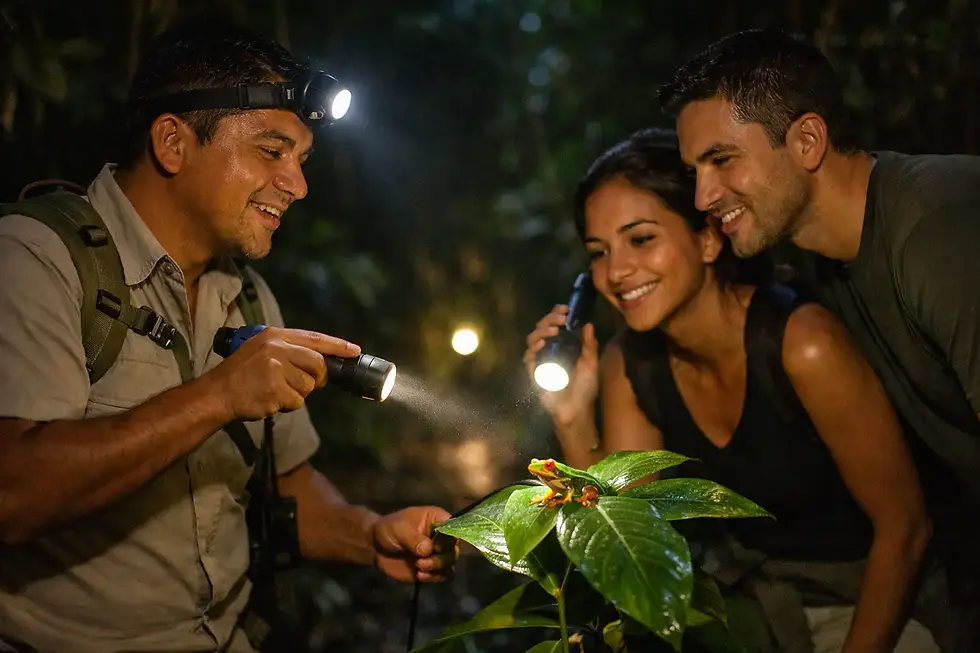
That philosophy shapes every design decision. Itineraries are built with space in them, because the unexpected moment in a rainforest is often the one guests remember most. Private guides are chosen for their deep local knowledge and genuine connection to the land, not as commentary tracks, but as real bridges into the culture. The after-dark rainforest walks we're named for put guests inside the biodiversity rather than across from it, with the chance to encounter species like red-eyed tree frogs and nocturnal mammals that emerge after sunset, depending on location and season.
Trips designed to absorb the pura vida lifestyle, not photograph it
A family moving through Costa Rica with us isn't rushing from attraction to attraction. They're moving at the pace of the place. Private transportation means no group scheduling, no compromise on timing. In-villa chef experiences mean meals built the way Ticos build them: fresh, communal, unhurried. The entire concierge structure exists to remove friction so guests can be present, which is the core ask of pura vida.
Why the philosophy resonates across ages and backgrounds
Whether it's a grandmother on her first tropical trip, a couple on their honeymoon, or three generations sharing a villa for a week, the experience is shaped around connection, to the rainforest, to each other, and to a culture guests come to genuinely understand rather than just visit. The multigenerational, family-first nature of this company mirrors the Tico value of community directly. Many guests describe leaving with something they didn't expect to find: a quieter pace that follows them home.
How to carry the pura vida lifestyle home with you
You don't need a flight to Costa Rica to start practicing this. The habits that make the lifestyle work are transferable anywhere; they just require a decision to prioritize them. This isn't a self-help reframe. It's a set of specific, research-backed daily shifts that compound over a week into a noticeably different way of moving through the world.
Daily habits that work anywhere in the world
Start with a short gratitude check-in each morning, three things you appreciate, written down or spoken aloud, before the phone comes on. Add one daily walk outside, even ten minutes, even on a city block. Build one meal each day around fresh food you actually recognize without reading the packaging. End one conversation each day without a device in hand. These aren't resolutions; they're small redirections that change what your nervous system treats as normal.
Pura vida travel tips: bringing it into your everyday life
If you've just returned from Costa Rica, or you're preparing to visit, a few practical anchors help the philosophy stick beyond the trip itself. Keep your first morning hour screen-free. Prioritize one shared meal daily rather than eating separately. Spend time outdoors without an agenda, no podcast, no destination, just movement. Reach out to one person each week you've been meaning to connect with. And notice when you're rushing past something that deserves a moment. That noticing is pura vida working.
A 7-day starter approach for skeptics
The pattern below isn't dramatic. It's quiet and cumulative, one small shift per day, each building on the last:
Day 1: Write one gratitude sentence before coffee.
Day 2: Add a ten-minute walk outside, no phone required.
Day 3: Cook one simple meal from fresh ingredients.
Day 4: Reach out to one person you've been meaning to call.
Day 5: Take one intentional break without multitasking, just sit.
Day 6: Clear one small area of clutter from your home or desk.
Day 7: Reflect on what made you feel calmer and more connected across the week, and decide which of those things you keep.
Pura vida doesn't announce itself. It reveals itself gradually, as the baseline shifts and you realize you've been present more than you've been distracted. That's the whole point.
The invitation waiting in a Costa Rican morning
Come back to where this started: the birds, the coffee, the silence before any agenda arrives. That morning exists for Costa Ricans every day, not as a vacation mode they switch into, but as the actual texture of a life built around what humans need to feel well. Nature. Community. Gratitude. Enough time to notice them.
The pura vida lifestyle is less a foreign cultural artifact than a reminder that the elements of a well-lived life have always been simple. Most of us just organized our days to move past them without stopping. After Dark Rainforest Experiences exists to be the bridge for those who want to feel the rhythm before they practice it at home: trips that don't just show you Costa Rica but let you live inside it, at its pace, with its values, long enough for something to shift.
The pura vida lifestyle isn't reserved for Ticos. It's available to anyone willing to slow down long enough to find it.
Frequently asked questions about the pura vida lifestyle
What does the pura vida lifestyle mean?
Pura vida translates literally as "pure life," but in practice it describes a Costa Rican cultural orientation toward simplicity, presence, strong community bonds, and daily contact with the natural world. It functions as a greeting, a farewell, and a philosophy, the idea that a good life is built from the quality of your relationships and your attention, not from the accumulation of things or status.
Is pura vida just a tourist slogan?
No. While the phrase has been commercialized on merchandise and marketing
How can I practice the pura vida lifestyle at home?
The habits most associated with pura vida are transferable: a screen-free first morning hour, daily time outdoors, shared meals prepared from fresh ingredients, and intentional time with people you care about. The 7-day starter plan above offers a structured entry point. The goal isn't to replicate Costa Rican culture wholesale, it's to apply the underlying logic (presence over output, relationships over productivity) to whatever daily life you already have.
What does the research say about Costa Rica's happiness rankings?
Costa Rica ranked 4th in the 2026 World Happiness Report with a score of 7.439. Researchers attribute this to strong social relationships, regular nature access, community support structures, and a cultural deprioritization of material accumulation relative to relational wealth. Economist Mariano Rojas, cited in IMF research, identifies social connection as the primary driver, not income or GDP.
What makes After Dark Rainforest Experiences different from other Costa Rica tours?
The company designs trips around the pura vida lifestyle rather than around activity checklists. Itineraries include intentional open space, private guides with genuine local knowledge, in-villa dining experiences built around fresh Tico cuisine, and the signature after-dark rainforest walks that give guests access to Costa Rica's nocturnal biodiversity. The structure is designed to create presence, the same quality the philosophy asks of daily life.
About the author
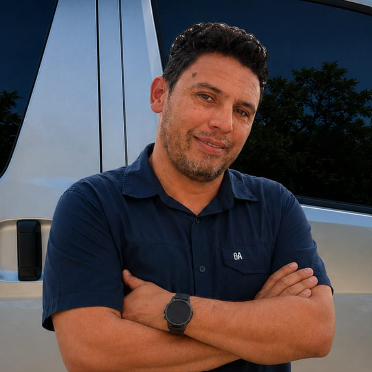
Heiner Monge — better known as "Goose" — is a certified Costa Rican tour guide with more than 16 years of experience exploring the country's forests, rivers, and wildlife. As the owner and lead guide of After Dark Rainforest Experiences, he specializes in private, small-group tours across Guanacaste, from nighttime jungle walks to full-day adventures. When he's not guiding, he's probably out scouting the next trail.


Comments